This is the first education policy of the twenty first century, built on the foundational pillars of access, equity, quality, affordability and accountability. It is also aligned to the 2030 UN Agenda for Sustainable Development.
The policy aims to transform India into a vibrant knowledge society and a global knowledge superpower, by making both school and college education more holistic, flexible and multidisciplinary, suited to twenty first century needs, and aimed at bringing out the unique capabilities of each student.
The language question
The final policy document makes it clear that no language will be imposed on any State. The three languages learned by children will be the choice of States, regions and the students themselves, so long as at least two of the three are native to India. It is an excellent perspective, and largely beneficial to our children.
Other features of the new policy
- A National Mission on Foundational Literacy and Numeracy will ensure basic skills at the Class 3 level by 2025.
- Students will begin classes in coding, as well as vocational activities, from Class 6 onwards.
- Indian knowledge systems, including tribal and indigenous knowledge, will be incorporated into the curriculum in an accurate and scientific manner.
- Schools will not have rigid streams of arts, commerce and science. Students can take up whichever courses they want. This is amazing.
Assessment and evaluation
The board exams for Classes 10 and 12 stay, but the policy intends to make them easier by testing only the core capacities of students. Boards may, over time, develop other viable models: annual, semester or modular exams, all subjects offered at two levels beginning with mathematics, or exams in two parts, one objective and one descriptive.
Students will be assessed through a multidimensional report. Apart from the teacher's assessment, the progress card will include self assessment and peer assessment. Apart from the board exams, the policy proposes school exams in Classes 3, 5 and 8.
A National Assessment Centre, PARAKH (Performance Assessment, Review, and Analysis of Knowledge for Holistic Development), will be set up. It will suggest guidelines for student assessment and evaluation for all recognised school boards, including the state boards. To prepare students for university entrance, the National Testing Agency will offer high quality aptitude tests, much like the SAT in the United States, twice a year, in the sciences, the humanities and vocational subjects.
Experiential learning
The policy makes way for learning with critical thinking, along with discovery based, discussion based and analysis based learning. There will be bagless days, visits to local craftsmen, and the possibility of vocational training from Class 6.
By implementing competency based learning, NEP 2020 gives room for flexibility and choice of subjects, particularly in secondary school. Students will be allowed to choose physical education, the arts and crafts, and vocational skills as they prefer. National Professional Standards for Teachers will regularly check the recruitment and quality of teachers.
NEP 2020 is an excellent policy, and a long awaited one. Implementation, integration and execution are the key. It is a mammoth task.
போற்றுவார் போற்றட்டும் புழுதி வாரித்தூற்றுவார் தூற்றட்டும் தொடர்ந்து சொல்வேன்ஏற்றதொரு கருத்தை எனதுள்ளம் என்றால் எடுத்துரைப்பேன்.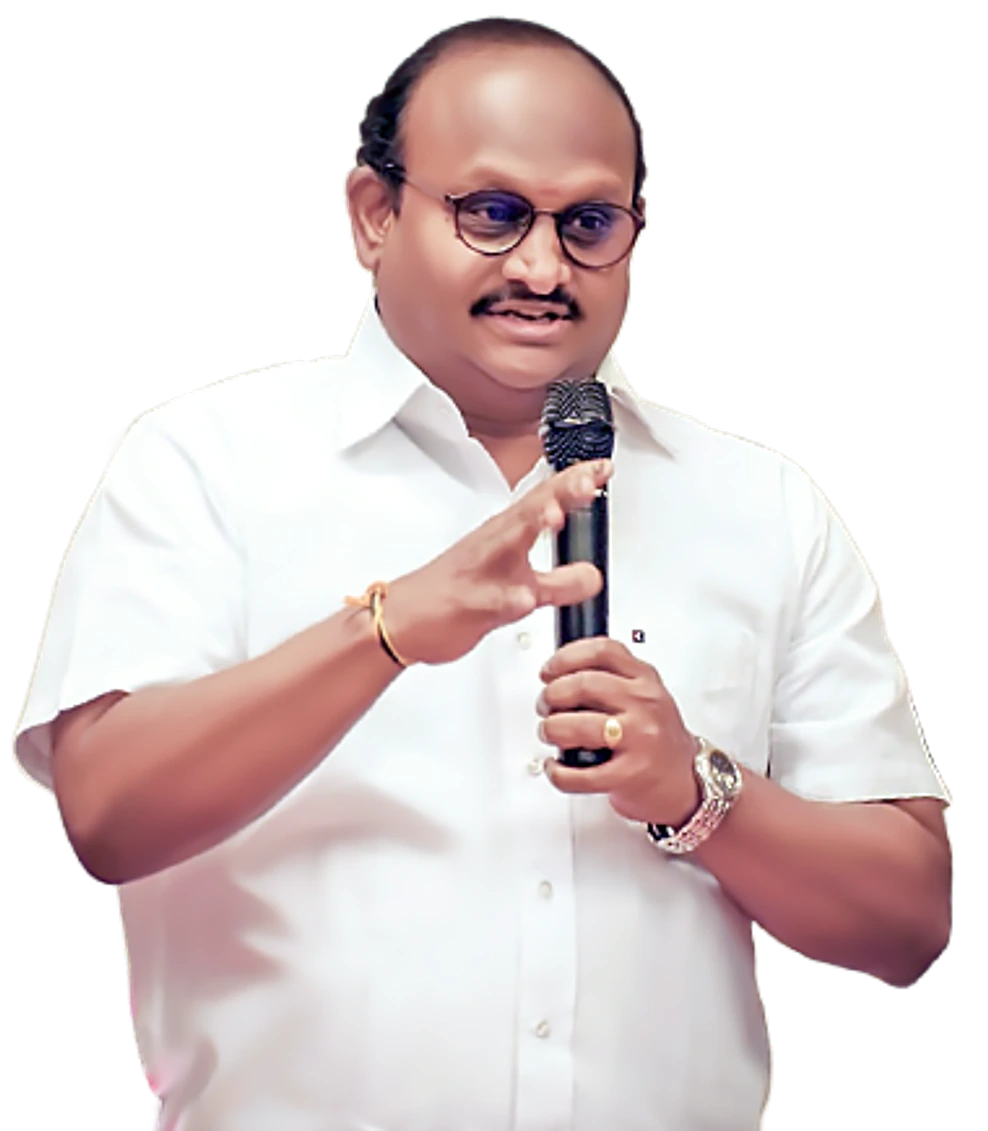
About the author
R.J. Bhuvanesh
Chief Executive Officer of the KRM Group of Schools, Chennai. He taught mathematics and computer science for ten years before leading the group, and studied at Harvard's Project Zero Classroom.