Emotional intelligence
Let us equip children to deal with their own mental and emotional states. They should be familiar with every feeling: happiness, thrill, failure and frustration. How? They will develop their own ways of dealing with them, if we let them talk about their feelings freely and without apology. They will grow in confidence and resilience, and become more empathetic.
Dealing with failure
Failure is the stepping stone to success. It is okay if they fail. The way you deal with failure decides how your child will overcome every setback in life.
Today every country is working on the reform of public education, and each speaks of what makes its own system unique. Consider five of the most admired.
- Finland. Children start school late, at seven, and the system is built on respect for each child, individuality, and the chance for every child to develop as a unique person.
- Japan. Manners are taught before knowledge. Students clean their own schools, and there are no exams until the age of ten.
- Korea. Education has a strong academic focus, and students are intensely competitive.
- Singapore. Education is highly pragmatic. Students learn not only the theory, but how to apply it through critical thinking.
- The United Kingdom. Teaching stresses the role of imagination in learning, and tries to integrate the intellectual, practical and artistic development of pupils as a whole. Most schools in Hong Kong follow the same method.
Our own ancient gurukulam system had all of these methods. In 1835, Lord Macaulay brought in a new education act for British India, because the empire needed clerks. Our pattern of education became one in which students were not allowed to think for themselves, only to learn what they were given. That is one reason India still has too few innovators, though long before 1835 Indians were among the world's first inventors and scientists.
Indian education is now in a period of major reform, where Indian culture is taught, Western ideas are taught, and students are encouraged to bring new ideas of their own.
From today, instead of asking your children how many marks they scored in the exam, start asking what ideas they thought of today.
About the author
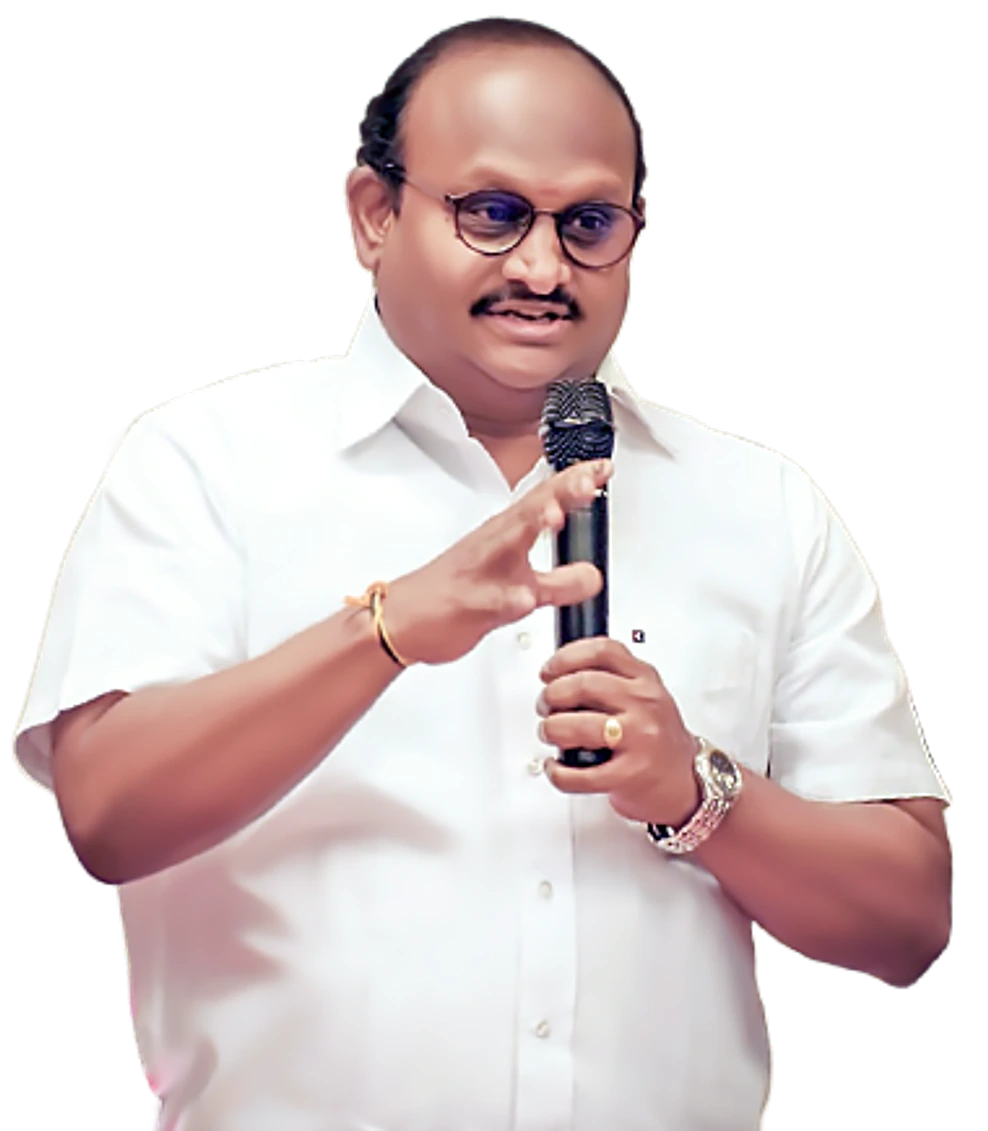
R.J. Bhuvanesh
Chief Executive Officer of the KRM Group of Schools, Chennai. He taught mathematics and computer science for ten years before leading the group, and studied at Harvard's Project Zero Classroom.