Curriculum is a Latin word that means the course of a race. Which race? A race against whom? The curriculum in India is built on the idea of subjects.
It does not let a child dwell deeply on any one concept. The NCERT framework says clearly that the child will be exposed to concepts at a peripheral level. Deeper understanding lies in the hands of teachers, and in the strategies they use to teach.
Children are taught in batches, by age. Subjects are strictly separated, and activities are limited by the system of periods. Educators are under pressure to cover a vast range of topics, and teachers face a very practical problem: they are pressed for time to finish the portions. A teacher spends about forty minutes with a group of students in a period. That leaves very little time, and few resources, for the unique interests and aptitudes of each child. There is little room for discussion outside the curriculum, and few children get the chance to follow their passions.
Does every school identify the talent of a child? Schools should provide the resources to find a child's strengths, nurture them, and bring them into the spotlight. And parents should stop seeing school as the single place of learning, and step up to find their children's unique talents themselves.
Education is for emancipation, enlightenment, empowerment and empathy.
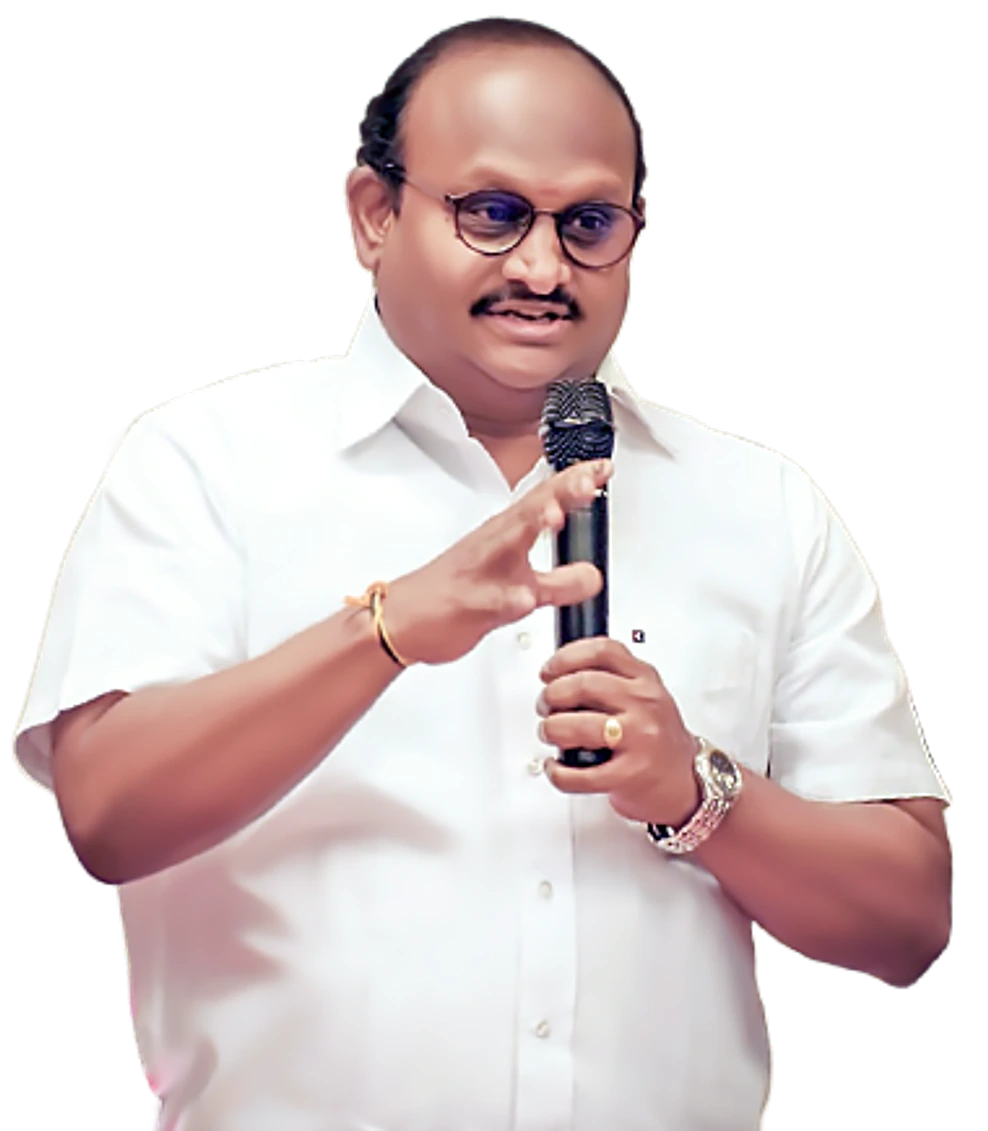
About the author
R.J. Bhuvanesh
Chief Executive Officer of the KRM Group of Schools, Chennai. He taught mathematics and computer science for ten years before leading the group, and studied at Harvard's Project Zero Classroom.