Children should be taught how to learn, and not what to learn. They should be taught how to think, and not what to think.
An Experiential Based Integrated Curriculum is the need of the hour. Why? Each textbook caters to only one subject: mathematics, physics, chemistry, biology, civics, English. Mathematics and science are placed above everything else. One student is gifted in mathematics and grasps its concepts quickly; another loves English or civics but dreads mathematics and science. Our assessment system turns this into rote learning, or into average performance across the board.
A child's full potential goes unused. Mental capability does not match the challenges of the grade, because textbooks ask for learning by physical age, not mental capacity, and subjects are treated separately. An integrated curriculum helps a child think divergently.
A true story
A fourteen year old girl from Rourkela, Tejaswini Priyadarshini, visited a bicycle repair shop, and what she saw changed her life. She watched the mechanic use an air gun, a tool that runs on compressed air. Fascinated, she worked on using the same principle to run a bicycle, and with very limited resources she built an air bike, a vehicle with no pedals.
It could run sixty kilometres on ten kilograms of compressed air, and it was of real help to people with physical disabilities. Her invention won awards at international science fairs, and was seen as a path breaking, environmentally friendly solution.
Divergent thinking generates creative ideas by exploring many possible solutions. Children learn to integrate their thoughts when they are taught in an integrated way. Finland has announced that it is moving away from teaching by subject, towards interdisciplinary study and phenomenon based teaching.
We need to give our children a natural understanding of how their talents will fit into the world they are growing into. Thinking out of the box cannot happen when information is simply dumped on children from outside. Constantly telling them what to think and what to learn dampens independent thought. They should be encouraged to learn on their own, and to look for the right answers themselves.
The illiterate of the twenty first century will not be those who cannot read and write, but those who cannot learn, unlearn and relearn.
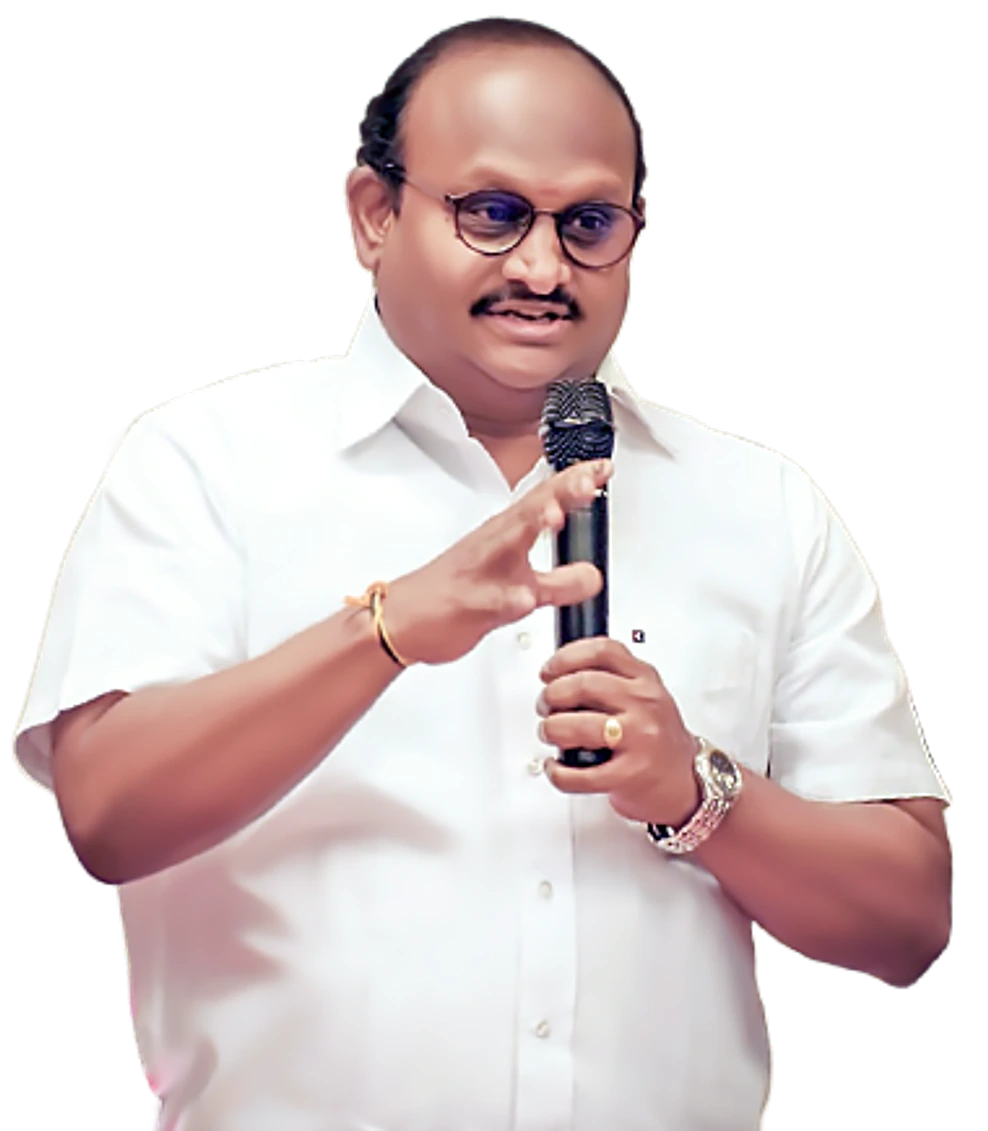
About the author
R.J. Bhuvanesh
Chief Executive Officer of the KRM Group of Schools, Chennai. He taught mathematics and computer science for ten years before leading the group, and studied at Harvard's Project Zero Classroom.