Here are a few ideas that can make a difference to a child's attitude towards learning.
- Let them teach. Encourage children to teach what they have learnt. As Einstein is said to have put it, if you can't explain it to a six year old, you don't understand it yourself.
- Stop the culture of shaming. If your child does not do well in class, look actively for their interests, and encourage them.
- Stretch the quick learner. When your child grasps concepts quickly, give them material that builds higher order thinking skills.
- Take it into the world. Let your child explore how what they have learnt applies in real life.
- Choose good resources. Introduce them to quality courses and apps from reputed institutions, such as MIT's Scratch, NASA and Google's education apps. Make your child the catalyst of their own learning.
- Treat exams as feedback. An exam is feedback, not a judgement. It should never tell a child, this is all you can do. Help them find their misconceptions, and move on.
- Value peer and self assessment. Children learn to support and work with each other by giving useful feedback, and their social skills grow through discussion and debate.
- Release them from rote learning. The idea of something being out of the syllabus should go. Encourage them to think out of the box, to apply information rather than just absorb it, and to find their own resources in the library, on the internet and from knowledgeable people.
- Look at the neighbourhood. Let them focus on what is happening around them. It builds empathy for society. Ask them: the street outside your house is full of garbage; what would you do about it? Now they are thinking in their own context, and they believe they have the power to change things.

About the author
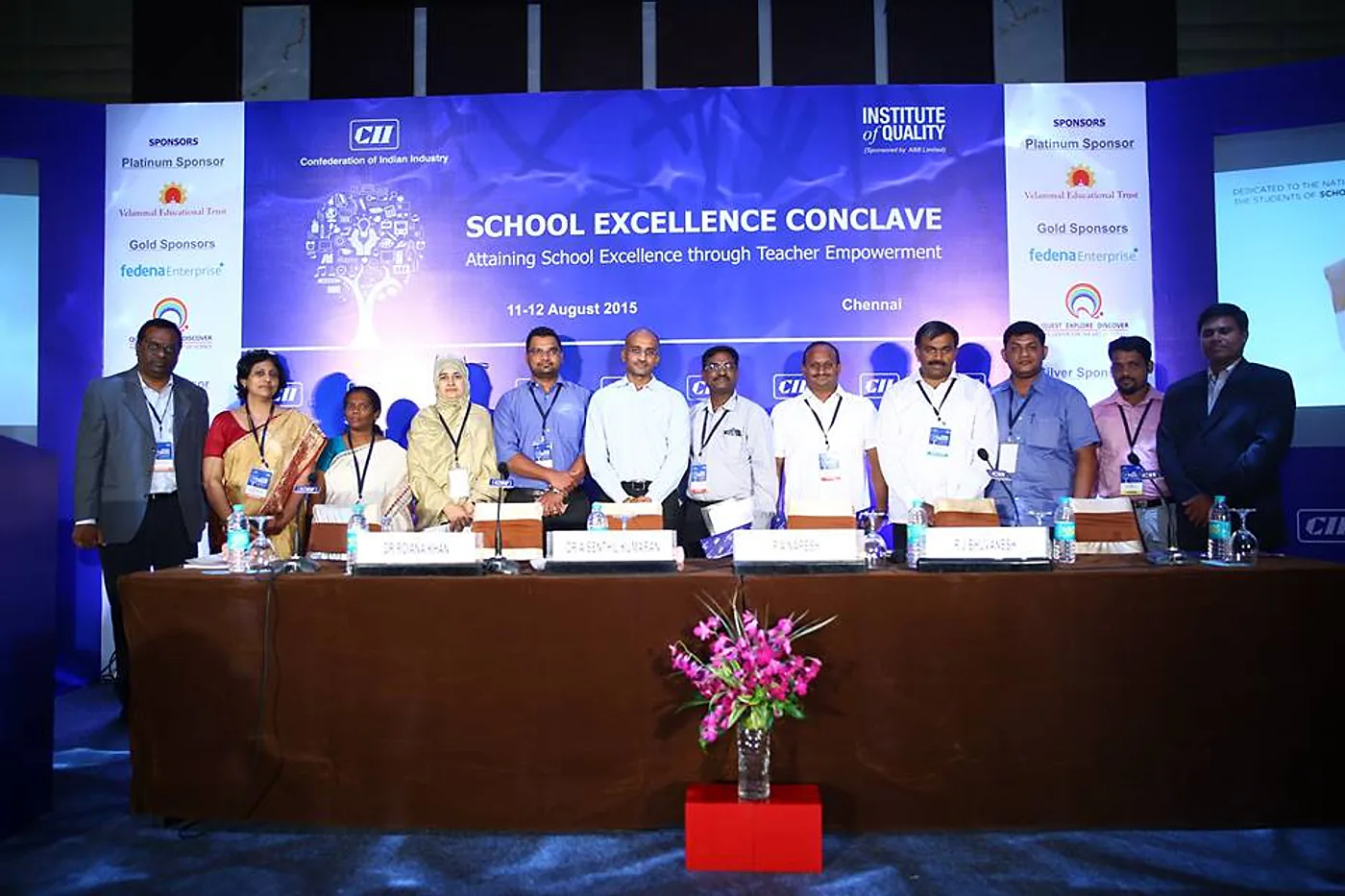
R.J. Bhuvanesh
Chief Executive Officer of the KRM Group of Schools, Chennai. He taught mathematics and computer science for ten years before leading the group, and studied at Harvard's Project Zero Classroom.